


I noticed something very strange in the Kriat HaTorah for Rosh Hashana. On the first day, we lein from the middle of Parshat Vayera. The first pasuk says:
וה’ פָּקַד אֶת־שָׂרָה כַּאֲשֶׁר אָמָר וַיַּעַשׂ יְהֹוָה לְשָׂרָה כַּאֲשֶׁר דִּבֵּר׃
בראשית כא:א
Hashem Remembers Sarah (see Onkelos) and blesses her with a pregnancy (see Rashi).
The Rishonim (on Megilla 31) explain that Sarah was finally blessed with a pregnancy on Rosh Hashana. Therefore it is appropriate to read about the great potential for divine love and mercy on this special day.
Why Start With The End?
Here’s the problem. This pasuk is the climax of a long and difficult process. And yet we skip all that and pick up the story at the very end!
The journey starts way back at the end of Parshat Noach, when the Torah testifies that Saray was barren and unable to give birth. Throughout Lech Lecha there are multiple promises that Hashem makes to Avraham, that he will become a great nation. At one point Saray breaks, and offers Hagar to Avraham, based on her certainty that she would not be the mother of Avraham’s children.
There are additional twists and turns to the story. Hagar becomes pregnant, Sarah gets upset. According to Chazal, Hagar has a miscarriage, then gets pregnant again. Yishmael is born, finally making Avraham a father at the age of 86. This is followed by the mitzvah of milah, and an additional promise that Avraham is yet to have another child, this time with Sarah.
The question is, why do we start the leining with וה’ פקד את שרה, which happened on Rosh Hashana? Wouldn’t it make more sense for that to be the end of the leining? The story arc would be perfect, the lifelong struggle of Avram and Saray to have children together, culminating with the special salvation on Rosh Hashana.
What we actually lein is one pasuk about Rosh Hashana, followed by lots of other stuff! First it’s the nine months of Sarah’s pregnancy, followed by the milah and subsequent seudah. Then we read about Yishmael and Yitzchak’s difficult relationship, Hagar and Yishmael’s exile, and finally a covenant between Avimelech and Avraham about stolen wells. At first glance it seems almost absurd, that we have one pasuk about Rosh Hashana followed by an entire leining that has nothing to do with this special day.
6X Leining?
According to my alternative logic, we should really start with the last Aliyah of Parshat Noach, where the Torah tells us that Saray was barren. We would read through the many trials and tribulations throughout Parshat Lech Lecha, and finally breathe a sigh of relief when Hashem blesses Sarah and Avraham in the middle of Parshat Vayera. This would make leining around 6 times longer, but at least the story line would be far more appropriate!
Thankfully for those who don’t want to lengthen the davening even more, Chazal did not accept my proposal. But we need to understand why not. What is the message that we are meant to take from this leining? Is it possible that the real connection between the parsha that we read and the essence of Rosh Hashana is just the first pasuk, and the rest is dragged in to fill in the aliyot? Or is there a deeper lesson that we are meant to internalize?
Super Bowl and Bereishit
I would like to suggest one approach to this issue, and in order to do so, we need to compare the Super Bowl to Parshat Bereishit (bear with me). When the final whistle of the NFL championship blows, the team celebrates, the confetti flies, and the MVP being interviewed on TV is asked: what are you going to do next? The answer: I’m going to Disney World!
After a long and grueling season, the triumphant players bask in the glory of their success. They have invested so much, worked so hard, they have earned this moment.
Let’s compare this scene to the following pasuk in Parshat Bereishit:
וַיְבָרֶךְ אֹתָם אֱלֹהִים וַיֹּאמֶר לָהֶם אֱלֹהִים פְּרוּ וּרְבוּ וּמִלְאוּ אֶת־הָאָרֶץ וְכִבְשֻׁהָ וּרְדוּ בִּדְגַת הַיָּם וּבְעוֹף הַשָּׁמַיִם וּבְכׇל־חַיָּה הָרֹמֶשֶׂת עַל־הָאָרֶץ׃
בראשית א:כח
Man has just been created, and he receives his first blessing: go have children and conquer the world. I have yet to conquer the world, but I have been blessed with a bunch of lovely children. And I can testify that having kids is a lot of work, and comes with many challenges. Yet this is framed by the Torah as a blessing. This is not in any way a contradiction to the wonderful sense of bracha, but it reframes our understanding of what a bracha actually is. The first thing that we learn about humanity in the Torah is that our most important blessings come with responsibility. (We can also extend this idea to the second part of the pasuk. The ability to conquer the world is also a blessing, one that comes with great toil and effort.)
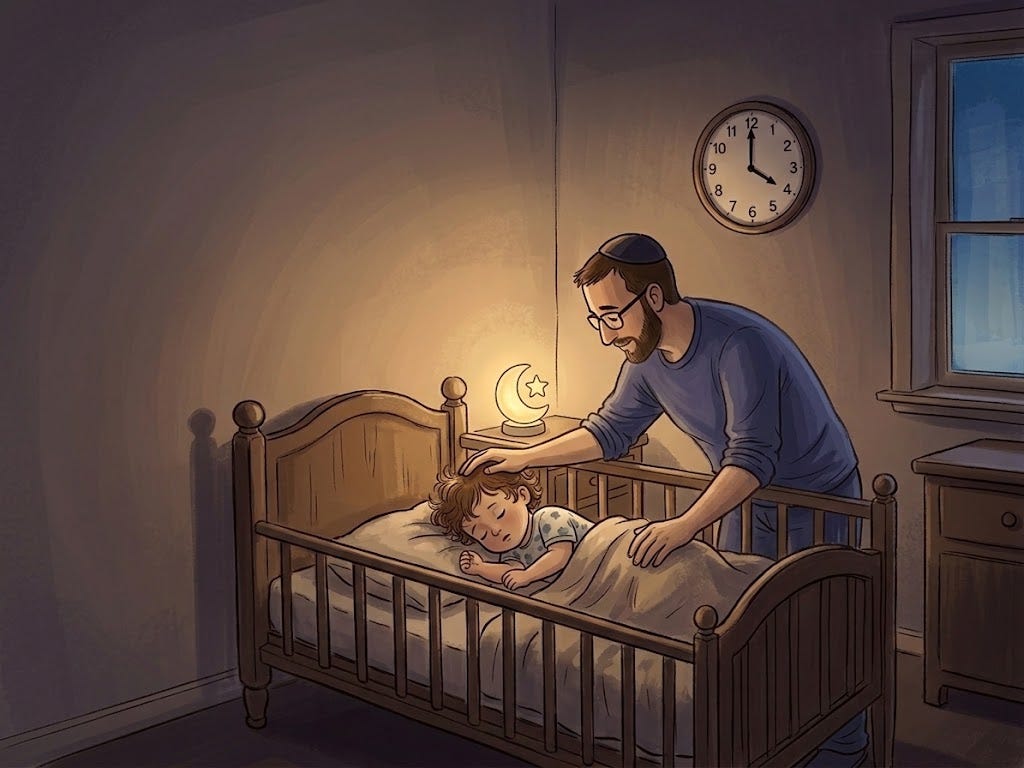
So we have here two ways of thinking about success. According to the sports parable, you work really hard, and when you succeed you get to kick back and enjoy the fruits of your labor. But according to Bereishit, the blessing is an invitation to work hard, take responsibility, and continue to develop the bracha that Hashem gave us.
A New Definition of Bracha
This brings us back to the leining on Rosh Hashana. We asked why we don’t read about Avram and Saray’s long journey to parenthood, culminating with the salvation of Rosh Hashana. This would be a Super Bowl type of story. The final scene would be Avraham and Sarah snapping a selfie in the delivery room, and everyone lives happily ever after.
But that is not the fundamental concept of Bracha we learn about in Bereishit. The gift from God is only the first pasuk. What follows is a challenging relationship with Yishmael. Avraham is torn about what to do. His first son comes within moments of death. The challenges are not just in his family. There are also economic and geopolitical struggles with Avimelech, which we read about in the end of the leining.
These are not just filler pesukim after the salvation of pregnancy. Rather, the structure of the story is consistent with the concept of bracha which we learn from the creation of Adam.
On Rosh HaShana we remember the creation of the world, and we reconnect with its core message as the new year begins. Just like Bereishit, and just like Sarah, we receive blessings from God. These blessings each have their own set of responsibilities and challenges that come with them.
A family.
A job.
Money.
If you have any of these things, congratulations!
You have been blessed.
Now, you have work to do.
Shana Tova.